Herb reference entry
Notoginseng / Sanchi
Notoginseng / Sanchi
Panax notoginseng (Burkill) F.H.Chen
Reader guide
Read the entry as a reference, not a prescription
This page organizes traditional materia medica descriptions, plant references, processing context, and safety questions for study. It does not establish a diagnosis or provide individualized dosing advice.
REFERENCE RECORD
Basic Information
Notoginseng / Sanchi is listed here as an educational materia medica record. The page brings together the English name, botanical reference, traditional category, and review boundaries so readers can compare sources without treating a catalog entry as a prescription.
- English name
- Notoginseng / Sanchi
- Latin name
- Panax notoginseng (Burkill) F.H.Chen
- Traditional category
- Blood Activating
- Nature
- Warm
- Flavor description
- Sweet, Slightly Bitter
- Record identifier
- sanqi
VISUAL REFERENCE
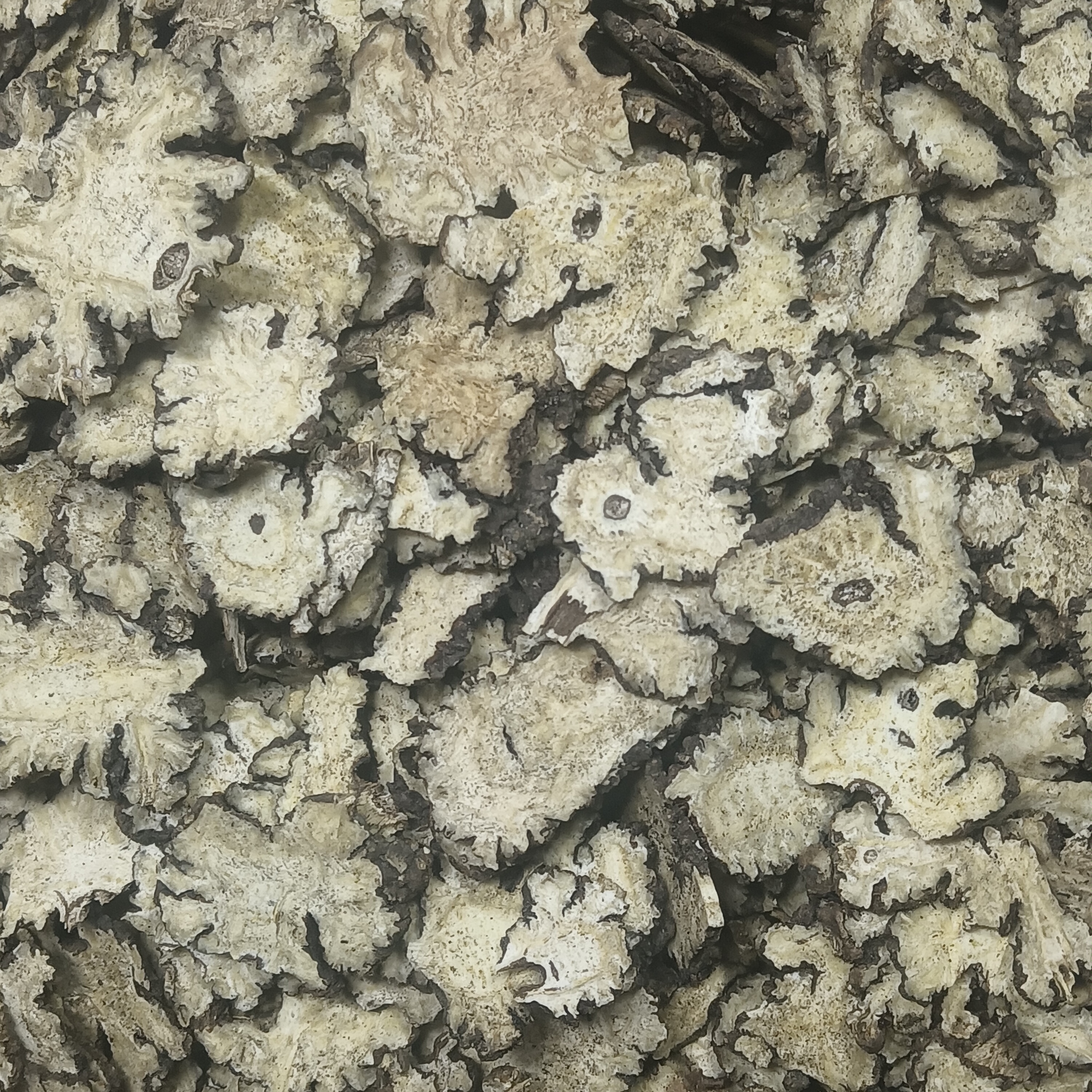
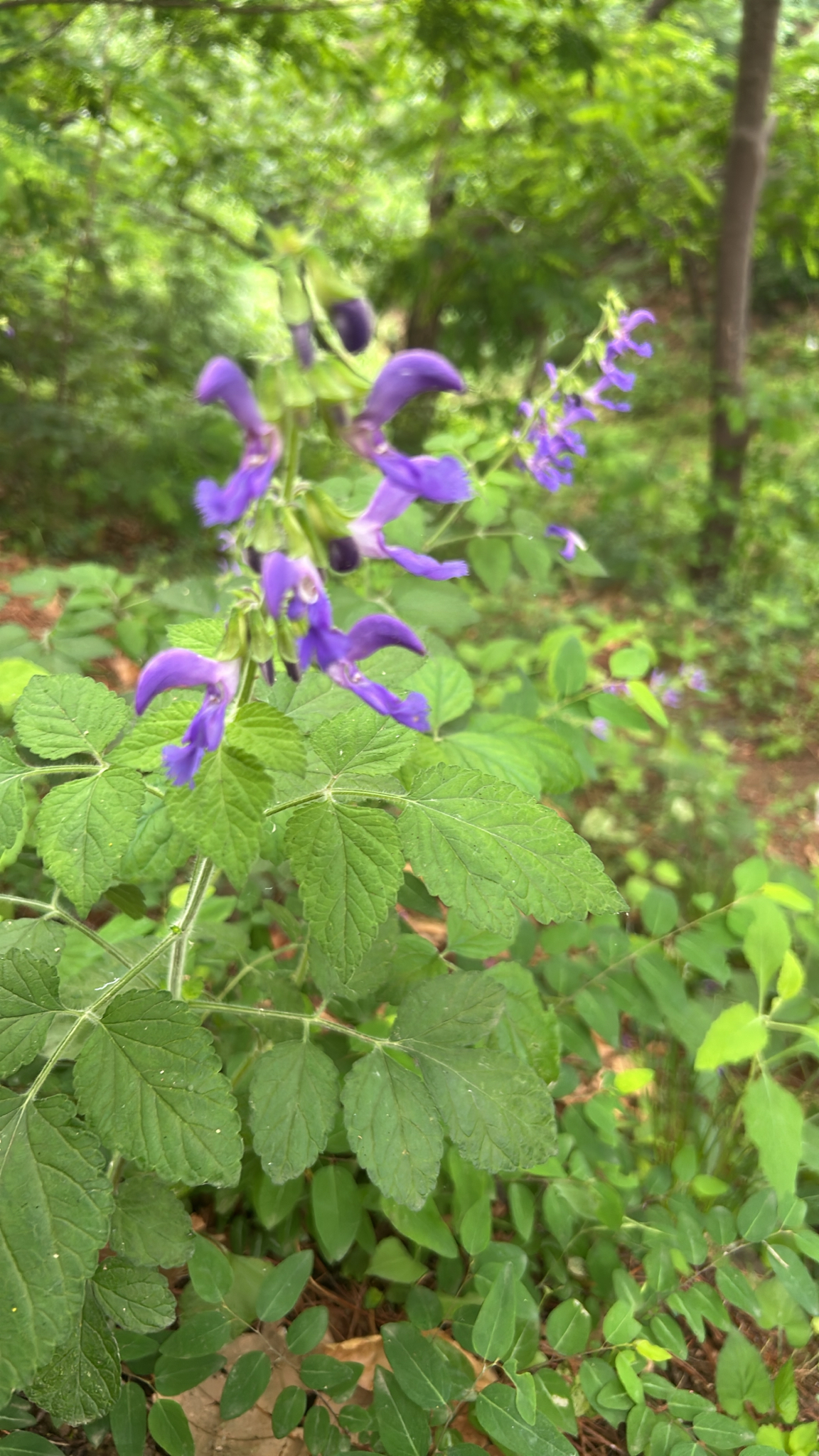
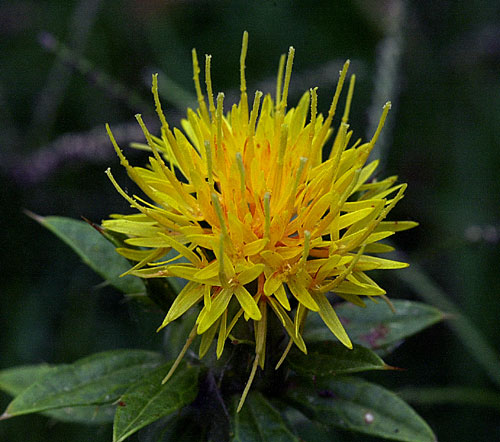
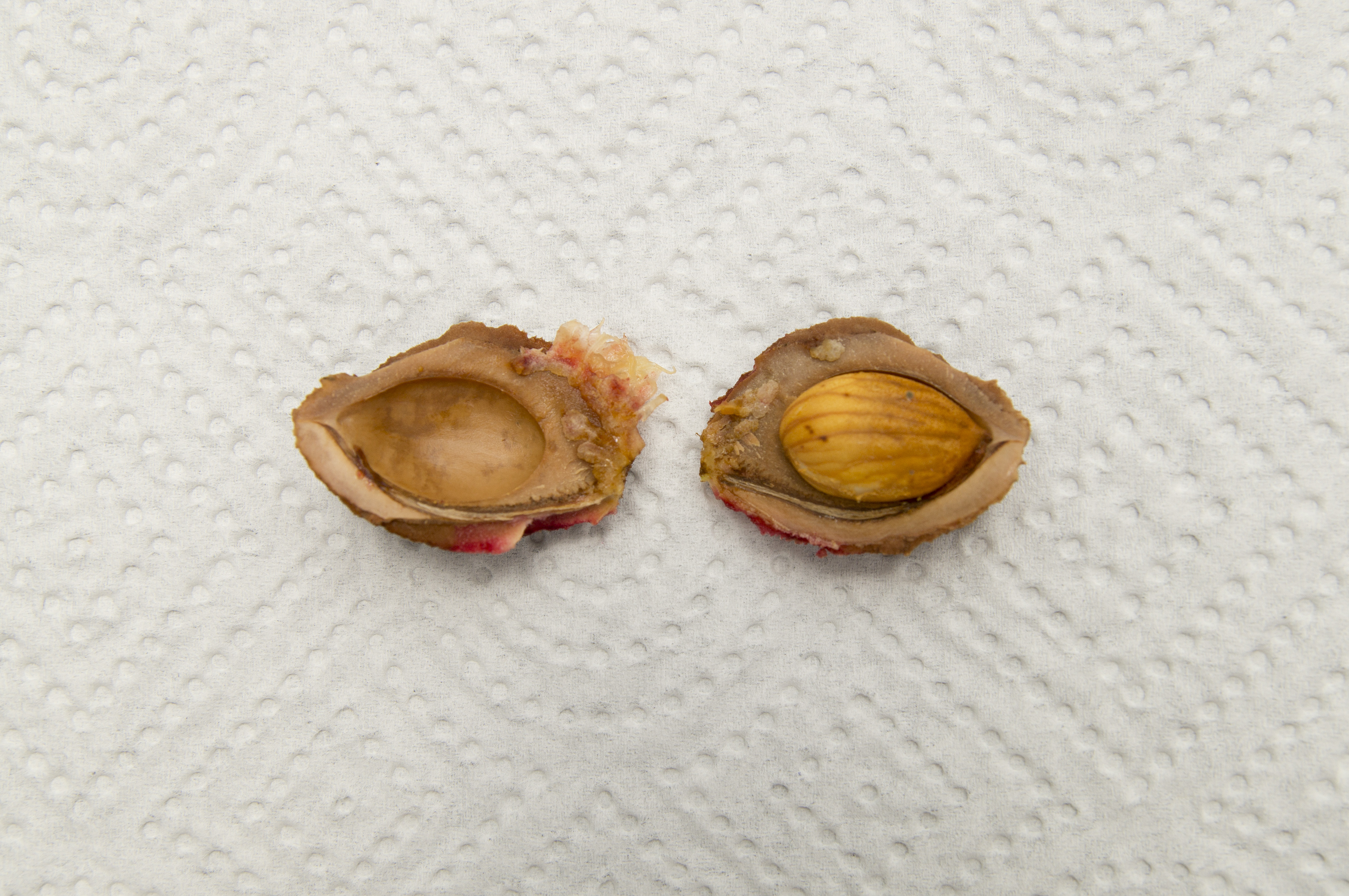
Identification and Image Notes
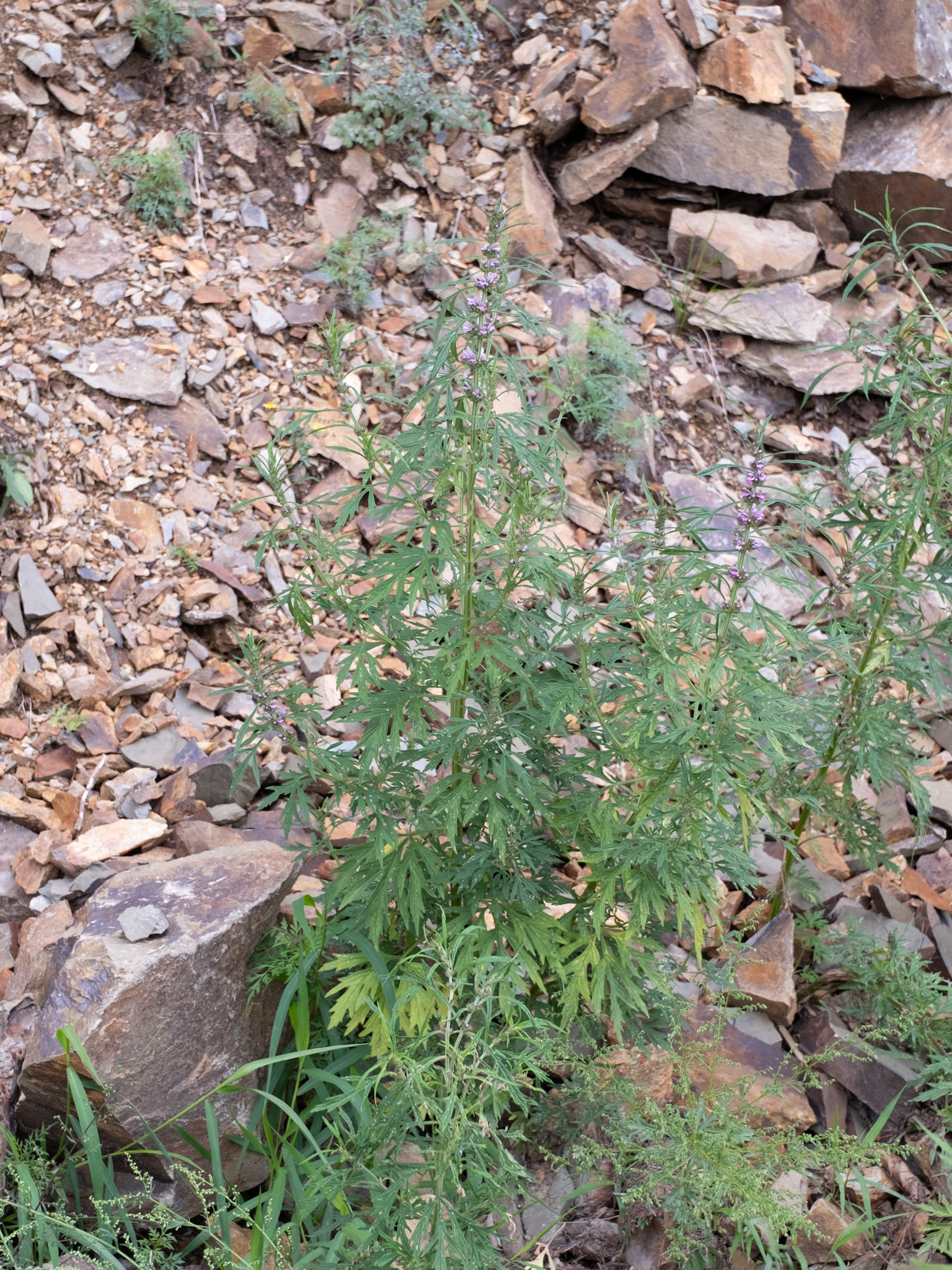
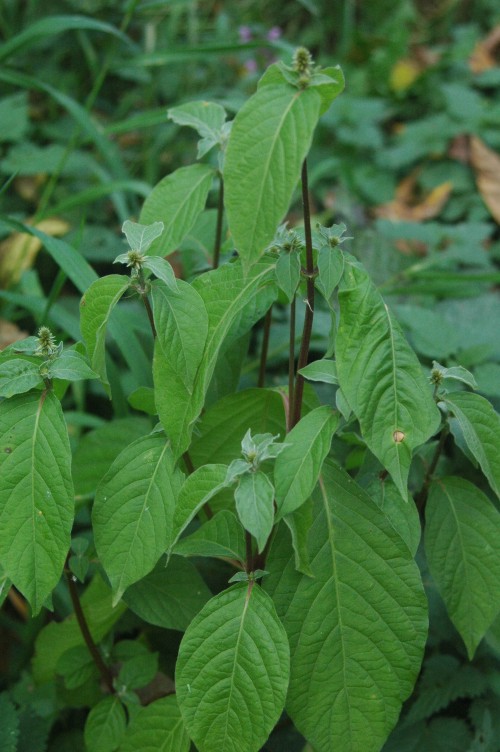
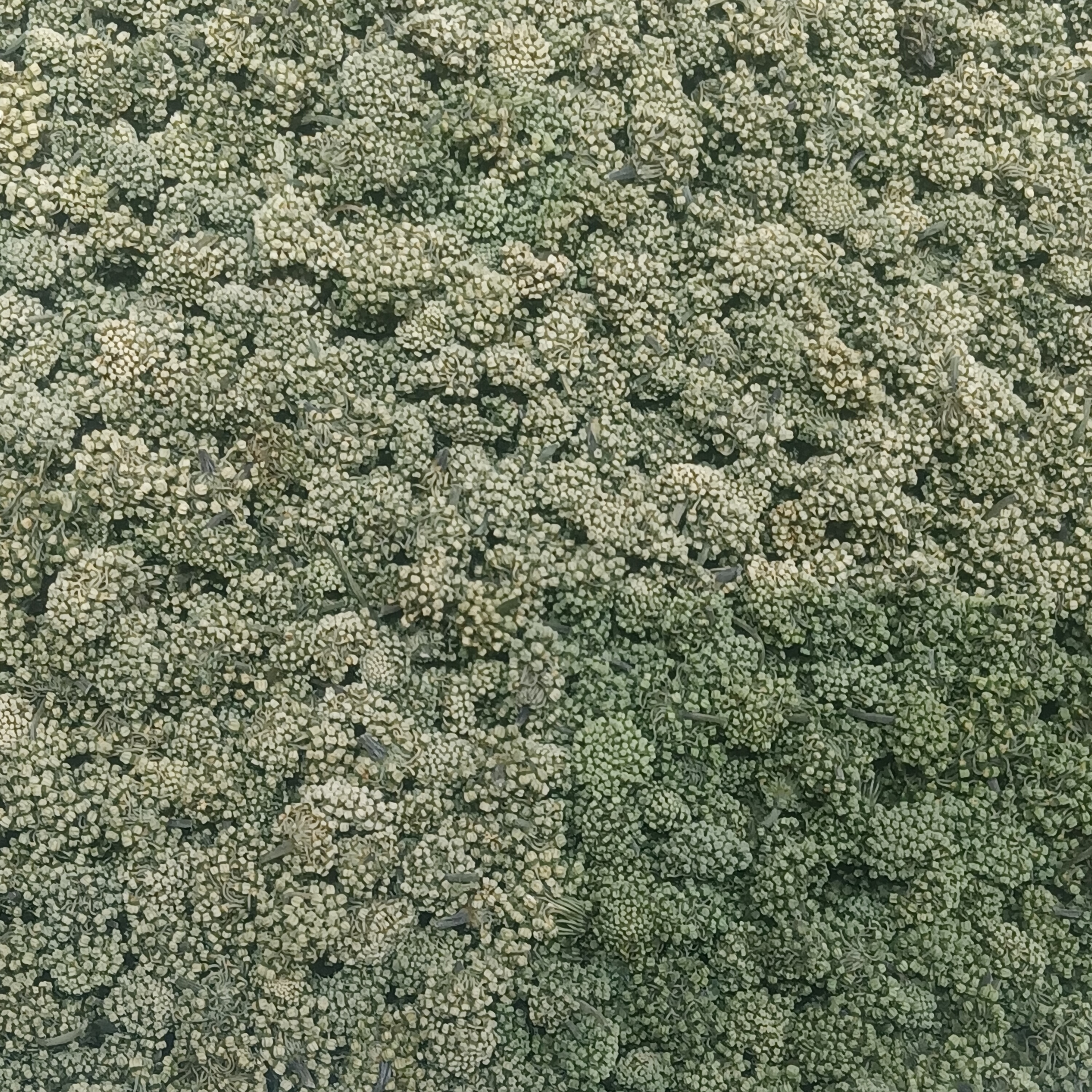
Images are included for orientation, not for definitive species authentication. Similar plants, substitutions, storage conditions, and processed forms can look different from a fresh specimen. Confirm species, medicinal part, source, and labeling with a qualified professional or an authoritative monograph.

TRADITIONAL CONTEXT
How to Read the Classification
This traditional grouping is provided for study and comparison, not as a diagnosis or treatment plan.
Compare the entry with related records for name, nature, processing context, and safety boundaries.
PROCESSING CONTEXT
Raw Material, Processing, and Product Form
The same common name can refer to a raw material, a processed decoction piece, a powder, an extract, or a finished product. Processing can change appearance, chemical exposure, traditional temperature, and the precautions that apply. Do not infer that one form is interchangeable with another.
- Check the scientific identity and the medicinal part before comparing products.
- Record whether the material is raw, dried, roasted, steamed, salted, or otherwise processed.
- Use the package label and local regulatory information for product-specific directions.
SAFETY REVIEW
Safety Boundaries
This record is not a dose recommendation. Risk depends on identity, preparation, amount, duration, contamination, other medicines, health conditions, and the quality of the product. A traditional category or a “natural” label cannot establish safety.
- Persistent or severe symptoms require a qualified medical assessment.
- Ask a clinician or pharmacist to review pregnancy, breastfeeding, childhood, older age, liver or kidney disease, allergies, and concurrent medicines.
- Stop self-experimentation and seek help for breathing difficulty, facial swelling, fainting, severe chest or abdominal pain, confusion, persistent vomiting, or jaundice.
STUDY METHOD
A Four-Step Reading Method
- Confirm the object. Match the English name, Latin name, image, medicinal part, and product label.
- Separate the form. Raw and processed materials are different records for comparison purposes.
- Read the traditional frame. Treat category, nature, flavor, and claimed actions as historical terminology.
- Check the boundary. Review interactions, vulnerable groups, product quality, and care-seeking signals before making any real-world decision.